
How to Adjust Your Sprinkler Schedule for Fall in Katy
Your summer runtimes will drown the lawn once the heat breaks. Here's a simple fall adjustment for Katy — plus when to start thinking about a freeze.
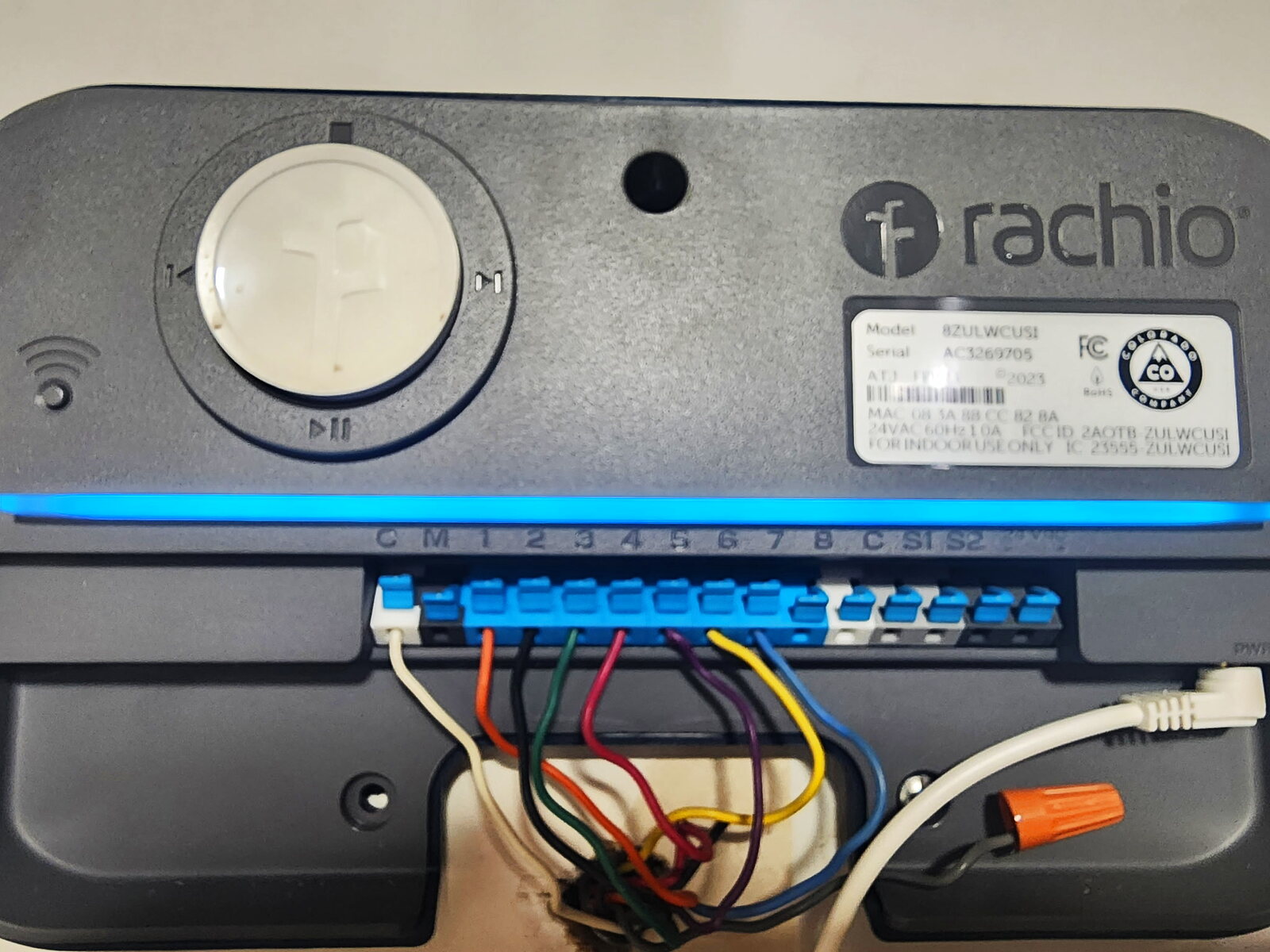
The single most common watering mistake we see around Katy in the fall is doing nothing — leaving the timer on the same schedule it ran in July. Once the heat breaks, that summer schedule is pouring down far more water than the lawn can use. You end up wasting money, inviting fungus, and softening the grass right when it should be toughening up for winter.
The good news: adjusting for fall takes about five minutes at the controller. Here's how to do it.
Why fall changes everything
Grass drinks based on the weather, not the calendar habit. As days get shorter and cooler, the lawn's water use — what the pros call evapotranspiration — drops sharply. Add in our wetter fall pattern, and a lawn that needed a deep soak three or four times a week in August might only need it once or twice by mid-fall. Keep watering like it's summer and that water just sits, runs off Katy's clay, or feeds disease.
The simple rule: cut days first, then minutes
You don't need a science degree — just step it down:
- Early fall (still warm): drop from your summer frequency to about 2 times a week.
- Late fall (cool, shorter days): step down again to about once a week, and skip entirely the week after a good rain.
- Keep the soak deep. When you do water, water long enough to soak in — deep, infrequent watering keeps roots strong. Shorten runtimes only if you see runoff.
The exact minutes depend on your heads and soil; our Katy watering guide has the full breakdown.
Water early, and soak in cycles on clay
Run the system in the early morning (before sunrise) year-round — evening watering leaves grass wet overnight and breeds fungus, which is an even bigger risk in cooler, damp fall weather. And because Katy's heavy clay can't absorb a long blast all at once, split each zone into two shorter cycles with a gap between so the water soaks instead of running to the curb. If you already see standing water or soggy spots, that's a sign to cycle-and-soak (or look at drainage).
Let the rain do the work
Fall is when a rain sensor or a smart controller earns its keep. Instead of watering on autopilot the morning after a storm, a rain sensor skips the cycle, and a Wi-Fi controller like a Rachio pulls the local forecast and skips ahead of the rain. If you're tired of babysitting the timer every time the weather turns, see whether a smart Wi-Fi controller is worth it — fall and spring are exactly when it pays off.
Sprinkler acting up in Katy?
We diagnose same-day and repair on the spot at flat, posted rates, and you approve the price before we start.
Don't shut it off completely
Katy winters are mild, and our lawns and shrubs still need occasional water through the cool months — especially newer plantings and anything up against the house. Cutting back is right; going cold turkey until spring is how established beds get stressed. Dial it down, don't switch it off.
Then think about the freeze
The one time weather forces your hand here is a hard freeze. We don't get many, but when a deep freeze is coming, exposed above-ground parts can crack. We wrote an honest take on whether you need sprinkler winterization in Katy — worth a read before the first cold snap so you know exactly what to do (and what you can skip).
Want it set for the season?
If you'd rather not fiddle with the controller, that's part of what a $75 system evaluation covers — we check every zone and program your timer for the season so it's dialed in for fall and ready for winter. Book online any time at elitesprinklerservices.com/book.