
Do You Need Sprinkler Winterization in Katy? An Honest Answer
Up north, fall blow-outs are non-negotiable. On the Gulf Coast it's a different story — here's the honest version of what your system needs before winter.
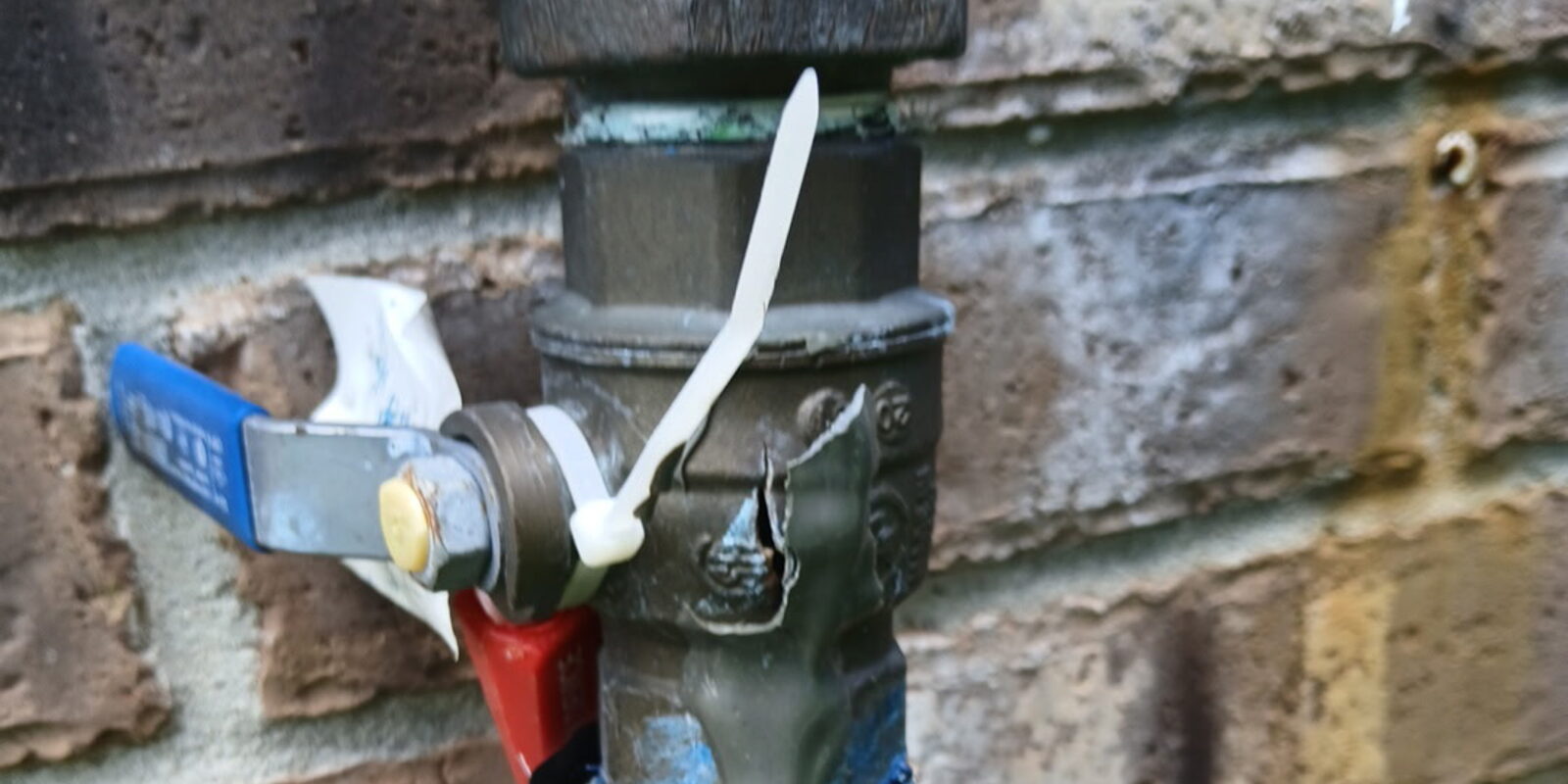
If you moved to Katy from up north, you were probably told every fall that you must have your sprinkler lines professionally blown out with compressed air or they'll freeze and burst. That's absolutely true — in Ohio. Here on the Gulf Coast, it's mostly not, and we'd rather tell you that straight than sell you a service you don't need.
But "mostly not" isn't "never," and anyone who lived through February 2021 knows exactly why. Here's the honest breakdown.
Why Katy is different
Our winters are mild and our hard freezes are short. The ground here rarely freezes more than an inch or two down, and your irrigation lines are buried well below that. A full compressed-air blow-out — standard practice in cold states to clear every drop from the pipes — is overkill for a typical Katy system, because those buried lines simply aren't at risk the way they are in a place with a real winter.
Sprinkler acting up in Katy?
We diagnose same-day and repair on the spot at flat, posted rates, and you approve the price before we start.
What actually freezes and breaks here
The danger in Houston isn't the buried pipe — it's the parts that sit above ground and hold water. Exposed pipes and fittings, and any valve or component sitting above the soil, are the vulnerable spots. When we get a hard freeze, water trapped in those above-ground parts expands and cracks them. That's where the burst-pipe repair calls come from every January, not from the buried lateral lines.
The real winter checklist for a Houston-area system
Instead of a blow-out, most Katy homeowners just need a few sensible things done:
- Turn the controller off (or to "rain/off" mode) for the winter. You don't want the system watering during a freeze — that puts ice on the driveway and sidewalks and wastes water on a dormant lawn.
- Insulate the exposed above-ground parts. Wrap the vulnerable above-ground pipes and fittings with foam covers or insulation before a freeze. This is the single most effective thing you can do.
- Know where your irrigation shutoff is. If a hard freeze is coming, being able to shut the water to the system is your best protection.
We've seen firsthand what a hard freeze does
The February 2021 storm froze and burst irrigation and plumbing across the entire Houston area — because almost nobody's above-ground components were protected for a freeze that severe. And it wasn't a one-time thing. During the January 2024 freeze, ABC13 came to us after a Katy sprinkler system burst overnight and coated the side of the house in ice — our owner Chris was out on the morning news knocking icicles off the pipes.
The advice we gave on camera is the same as it is here: before a hard freeze, wrap the exposed above-ground parts — towels all the way down, then a trash bag over the top to keep them dry. The takeaway isn't "blow out your lines every year." It's "be ready for the occasional hard freeze," because Houston gets one every few winters and it only takes one to crack an exposed pipe.
Turning the system back on in spring
Whatever the winter threw at you, don't just flip the controller back on in March and walk away. Bring the system up one zone at a time and watch it run. This is when any freeze damage shows itself, and catching it on the first run beats discovering it in July when the lawn is already stressed. Look for:
- A geyser or a soaked spot at a head or above ground — a component that cracked over winter.
- A zone that won't pressurize or runs weak — possibly a line or fitting that split in a freeze.
- Heads that won't pop up after sitting all winter — seals can stick or fail.
Run each zone for a minute, walk the yard, and note anything off. A dead zone or a leak found on day one of spring is a quick, cheap fix — the same problem ignored until midsummer is a browned-out lawn on top of the repair.
What we recommend for Katy
For most systems, skip the unnecessary blow-out and instead do a quick fall or early-winter check: set the controller for the dormant season, and make sure the above-ground components are insulated and the shutoff is accessible. A system evaluation is $75 and covers exactly that — we set your timer for the season and flag anything vulnerable before the first freeze. If your setup has components that genuinely need draining, winterization with the proper parts in place is $50. Either way, you're paying for what your system actually needs — not a Midwest checklist.