
Why Is My Sprinkler System Leaking? Causes, Fixes & What It Costs
A leak isn't one problem — it's three or four different ones that all look the same from the driveway. Here's how to tell where yours is coming from before it costs you.
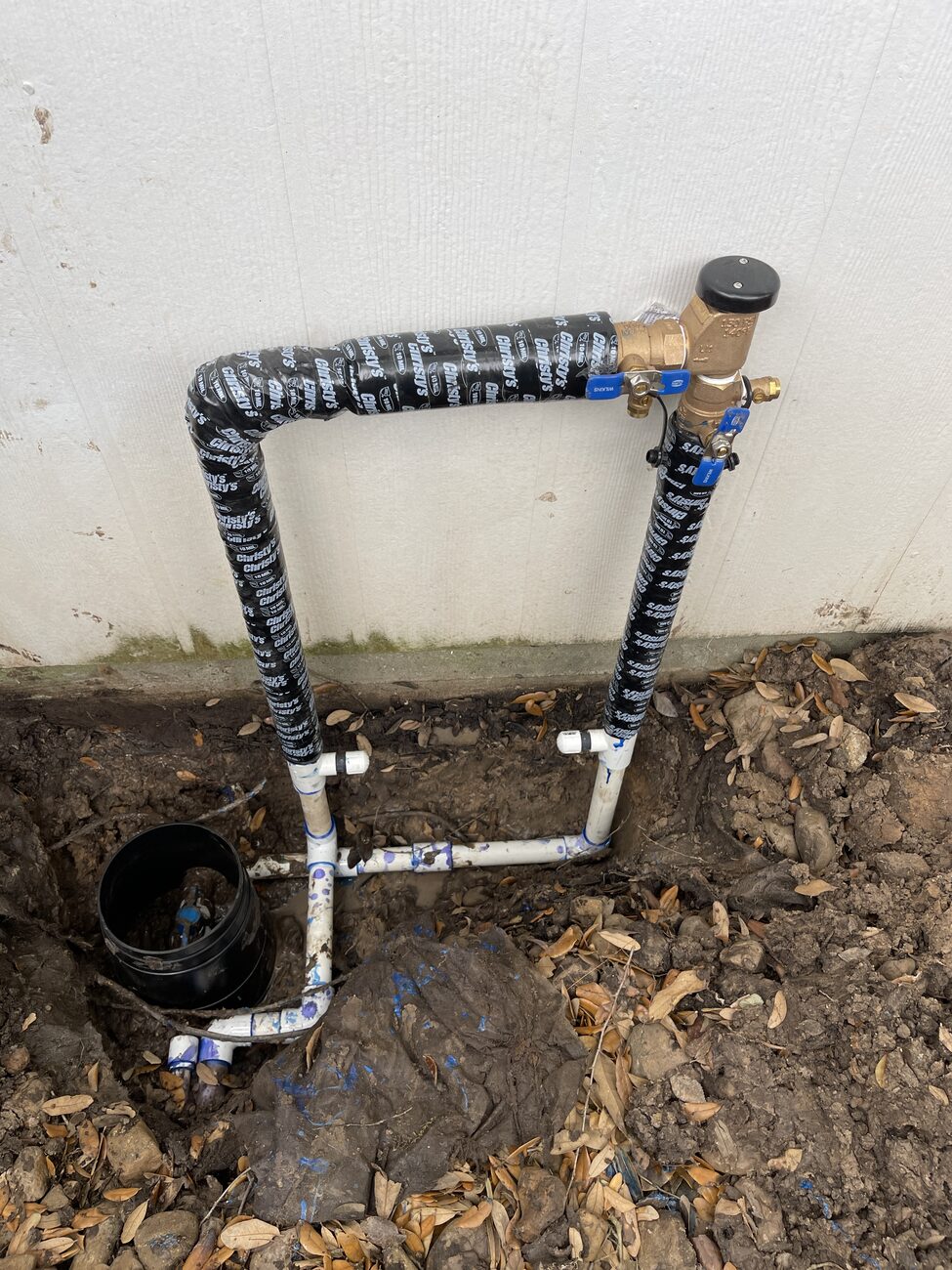
A "leaking sprinkler system" isn't a single problem — it's the same symptom coming from a handful of very different places. A puddle by a head, a valve that never fully shuts, a cracked line two feet underground, and a spiking water bill can all get called "a leak," and each one has a different fix and a different price.
The good news: you can usually narrow it down yourself in a few minutes, and the most common leaks are the cheapest to fix. Here's how to find yours.
First, figure out where it's actually leaking
Before anything else, watch the system and note when the water shows up. That one detail tells you most of what you need to know:
- Water only when a zone is running → the leak is downstream of a valve — a head, a fitting, or a lateral line on that zone.
- Water when the whole system is off → it's either a valve that isn't closing all the way, or a leak on the main line (which is pressurized 24/7).
- No visible water but a jump in your bill → a hidden underground leak, almost always on the main line. More on that below.
Sprinkler acting up in Katy?
We diagnose same-day and repair on the spot at flat, posted rates, and you approve the price before we start.
Leaks at a sprinkler head — the common, cheap one
Most "leaks" are right at a head. A cracked case from a lawnmower, a worn seal that weeps, or the lowest head on a zone draining out every time the zone shuts off (called low-head drainage) all leave a wet, soggy spot. A cracked head is a $25–$40 replacement; a leaking flex line feeding it is about $45. If it's the lowest head draining after each cycle, a check valve fixes it. This is everyday sprinkler repair and usually a same-visit fix.
Leaks at or around a valve
Each zone has a valve, and valves leak two ways. If a valve won't close completely, water keeps dribbling out of the lowest head on that zone even with the system off — that's usually a torn diaphragm or grit holding the valve open. If the valve body or its solenoid is cracked, water seeps right at the valve box. A solenoid is a $125 swap, a diaphragm and solenoid together run $215, and a valve that has to be cut out and replaced is $295. Our valve, pipe & leak repair page breaks down which is which.
Leaks in the underground lines
Buried leaks are the ones that cost real money, because water runs the whole time and you may not see it for weeks. There are two kinds:
- Lateral lines (after the valve) leak only while that zone runs — you'll see a soggy stripe or bubbling. From $125 to repair.
- The main line (before the valves) is always under pressure, so it leaks 24/7 whether the system is on or off. That's the one that soaks an area, keeps the ground soft, and drives the water bill up. From $195, depending on how deep it is and how much has to be dug up.
The clue hiding in your water bill
A main-line leak is sneaky because it runs around the clock. The fastest home test: turn off everything in the house and every irrigation zone, then look at your water meter. If the little flow indicator is still spinning, something is running — and if the house is off, it's almost certainly the irrigation main. In Katy's summer heat you can lose a surprising amount of water this way before a wet spot ever appears at the surface.
What you can handle vs. when to call
Swapping a cracked head or a flex line is reasonable weekend work. Chasing a buried main-line leak is not — without a way to pinpoint it you're excavating on a guess, and in our heavy clay that's a torn-up yard and a long afternoon. We locate and repair leaks all over Katy and West Houston at flat, posted rates, and you approve the price before we dig. If your bill jumped or the ground stays soggy, that's the time to call.